Back to Fish Guide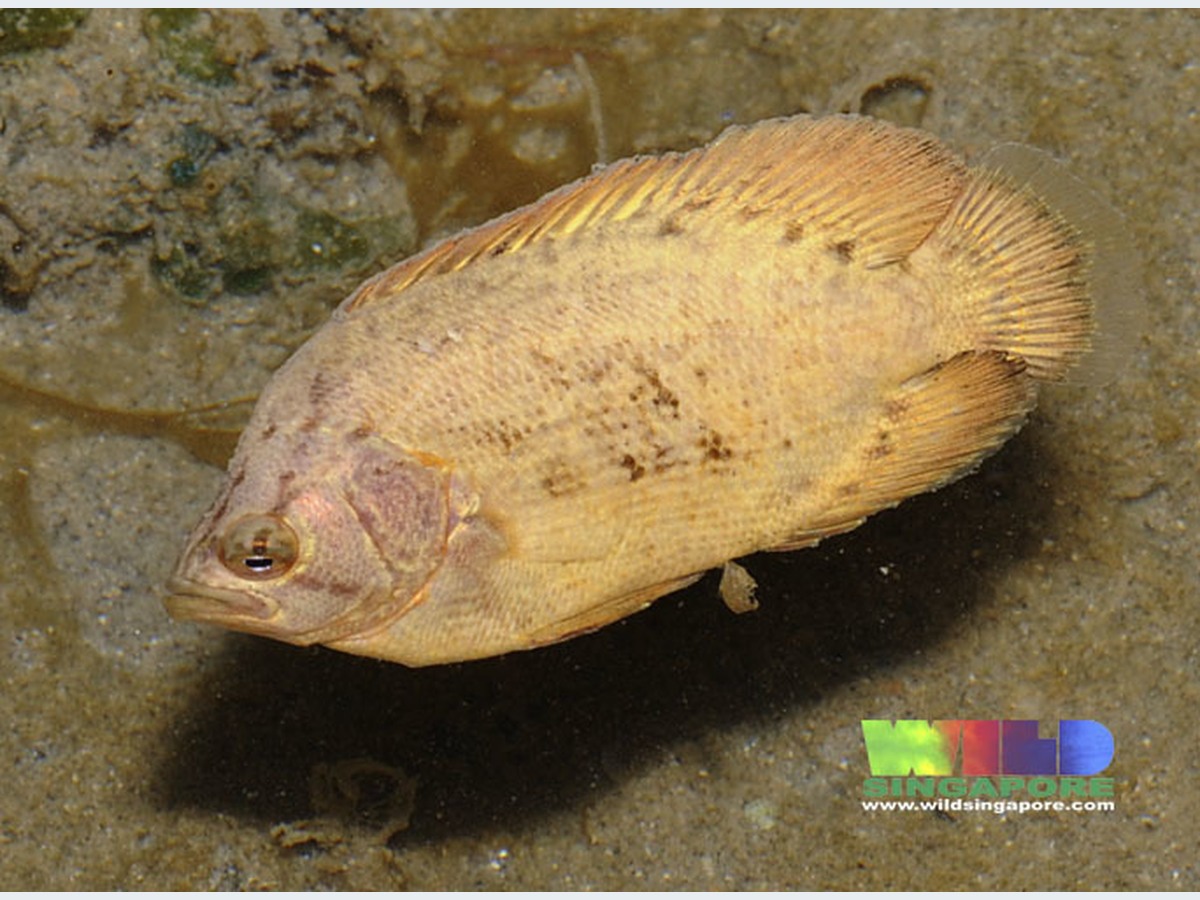 Pelagic
Ria Tan, CC BY-NC-SA (https://creativecommons.org/licenses/by-nc-sa/4.0/) - https://www.inaturalist.org/photos/9645532
Triple Tail
Lobotes surinamensis
Also known as: Atlantic Tripletail, Jumping Cod
About this fish
Description▾
The Triple Tail belongs to the family Lobotidae and gets its common name from the way its rounded dorsal and anal fins extend back to align with the tail, giving the appearance of a fish with three tails. It has a dark brown to olive body with a deep, laterally compressed shape. Found in tropical and subtropical waters worldwide, it is an unusual but prized catch in PNG.
Identification▾
The distinctive body shape with the rounded, symmetrical dorsal and anal fins extending back to meet the caudal fin is diagnostic. The body is deep and slab-sided with a concave head profile and a large, upturned mouth. Often confused at first glance with a floating leaf or debris because of its habit of drifting on its side at the surface.
Habitat▾
Found around floating debris, FADs, marker buoys, and structure in open water and near river mouths throughout PNG. They are a structure-oriented species and will hold near any floating object including logs, weed lines, and even jellyfish. Typically encountered in waters from the surface to about 10 metres deep.
Best season & conditions▾
Caught year-round in PNG, though encounters may increase during the wetter monsoon months (December to March) when increased runoff carries more floating debris offshore. Warm, calm conditions with light current are ideal for sight-fishing.
Techniques, baits & lures▾
Sight-fishing is the most exciting method: slowly approach floating debris and look for triple tail drifting on their sides near the surface. Cast small live baits (prawns, small fish), soft plastics, or lightly weighted flies past the fish and retrieve slowly. They will also take slow-sinking jigs and poppers. Light to medium spin tackle (6 to 10 kg) with fluorocarbon leader provides the best sport.
Size range▾
Commonly encountered at 30 to 50 cm and 1 to 5 kg. Maximum recorded size is approximately 100 cm and 20 kg.
Handling & conservation▾
Listed as Least Concern by the IUCN. An excellent eating fish with firm white flesh. If releasing, handle with wet hands and return quickly. They are surprisingly hardy and survive release well. Their association with floating objects makes them vulnerable to marine debris.
AI-generated guidance. Verify details with experienced anglers before relying on it.